
Danube Delta vs Camargue:
Europe's Two Greatest Wetlands
An honest, detailed comparison of the two destinations most birders eventually choose between — and why the answer depends on what you're looking for.
🌊 Danube Delta
Best for: species diversity, pelicans, remote access, value
🦩 Camargue
Best for: flamingos, accessibility from Western Europe, infrastructure
Quick Facts: Side by Side
| Factor | 🌊 Danube Delta | 🦩 Camargue |
|---|---|---|
| Total area | 5,800 km² UNESCO reserve | 930 km² (core zone) |
| Bird species | 360+, including 250+ breeding | ~350 total, ~160 breeding |
| Flagship species | Dalmatian Pelican (450-500 pairs) | Greater Flamingo (10,000–25,000 pairs) |
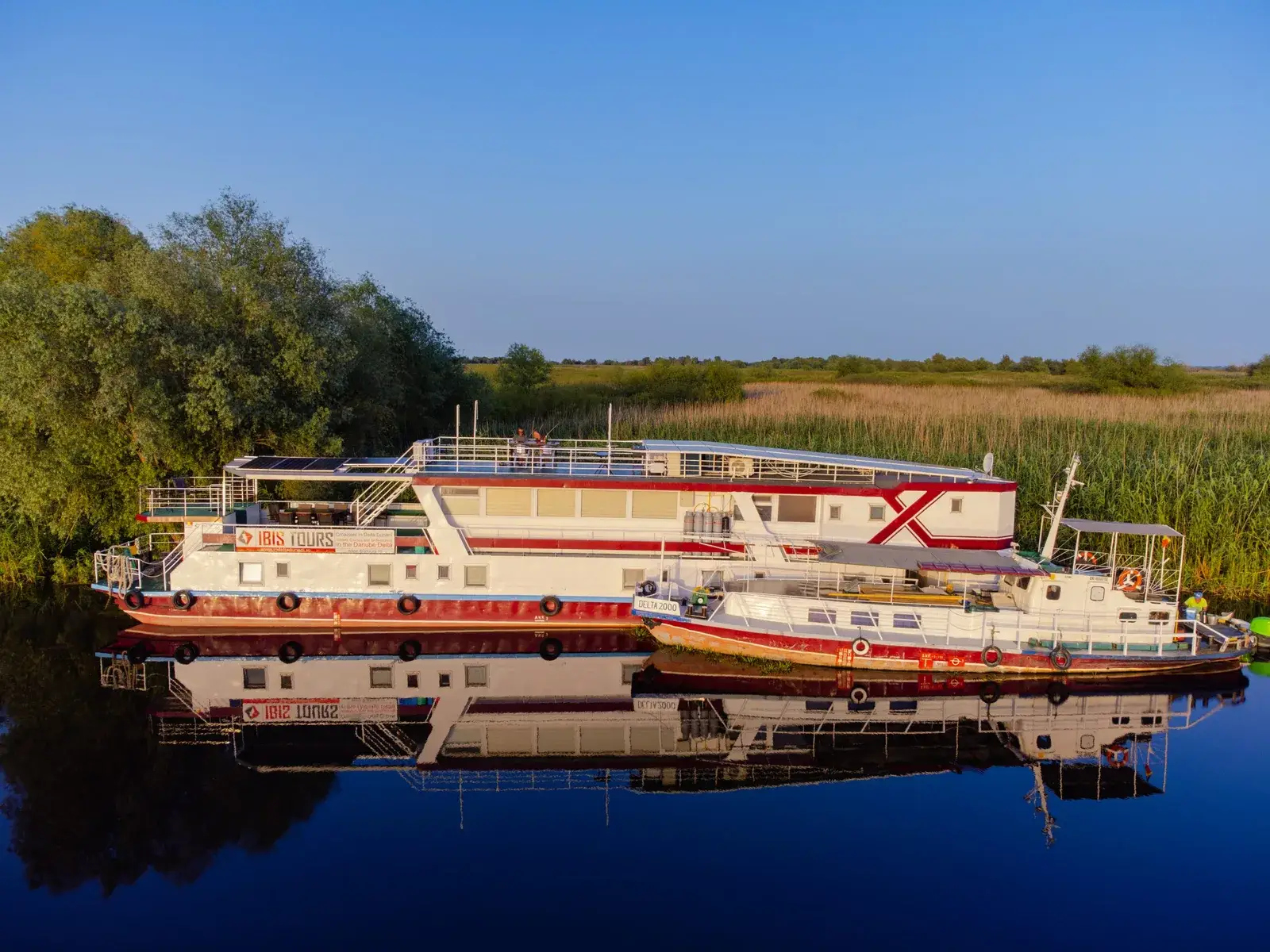
| Accommodation | 4-star floating hotel on the water | Hotels in Arles, Saintes-Maries |
| Guide access | Licensed guides, UNESCO core zones | Day tours; core zones limited |
| Cost (4 days) | From €1,090 per person full board | €1,200–€1,800 per person |
| Crowds | Very low — no mass tourism | High (summer); Provence tourism |
| Best months | April–June, September | April–May, September–October |
| Raptors | White-tailed Eagle resident; Lesser Spotted Eagle | Montagu's Harrier, occasional Osprey |
| Waterbird colonies | Pelican, heron, egret, cormorant — all close range | Flamingo, Little Egret, Night Heron |
| Mammals | Otter, wild horses, deer | Camargue horse, wild boar, beavers |
| Nearest airport | Bucharest (4h drive) | Marseille (1h) or Nîmes (45min) |
| Language | Romanian / English widely spoken in tourism | French (guides often English-speaking) |

Species: What You Can and Cannot See
Both destinations cover the main European waterbird families. The key differences are in the flagship 'spectacle species' and in a handful of range-restricted specialities.
Species the Danube Delta has that Camargue doesn't
- Dalmatian Pelican (Pelecanus crispus) — 450-500 pairs; Globally Vulnerable. No breeding population in Camargue.
- Pygmy Cormorant (Microcarbo pygmaeus) — abundant breeder; rare vagrant in Camargue.
- Ferruginous Duck (Aythya nyroca) — Near-Threatened; regular breeder in delta core zones.
- White-tailed Eagle (Haliaeetus albicilla) — resident breeder; occasional visitor to Camargue only.
- Collared Pratincole (Glareola pratincola) — breeding in Dobrogea steppe; not a Camargue breeder.
- Red-breasted Goose (Branta ruficollis) — 8,000–24,000 winter in Dobrogea; very rare in France.
- Savi's Warbler and other reed specialists at higher density
Species the Camargue has in better numbers
- Greater Flamingo (Phoenicopterus roseus) — 10,000–50,000 birds seasonally. Vagrant only in delta.
- Slender-billed Gull (Chroicocephalus genei) — breeding colony at Camargue; rare in Romania.
- Greater Flamingo again — the iconic Camargue landscape of pink birds on salt pans is genuinely spectacular and unique.
"The Camargue is the flamingo destination. The Danube Delta is the pelican destination. If you want to see the world's largest concentration of Dalmatian Pelicans — a Globally Vulnerable species — with your own eyes, from a boat 20 metres away in the dawn light, there is only one place in Europe to do it."
— Ibis Tours naturalist team, 30 years of Danube Delta guidingThe Experience: Access, Crowds, and Quality of Encounter
This is where the two destinations diverge most significantly for serious wildlife enthusiasts.
Crowds and commercialisation
The Camargue is embedded in one of France's most-visited tourism regions. Provence draws millions of visitors annually; the Camargue Natural Park is a standard excursion for tourists staying in Arles, Nîmes, and the Côte d'Azur. In July and August, the main viewing points for flamingos are crowded. The birding itself remains good, but the atmosphere is that of a nature park in a holiday region.
The Danube Delta receives a fraction of the Camargue's visitor numbers. The delta's infrastructure requires deliberate planning to visit — it is not on the way to anywhere else, it requires a 4-hour drive from Bucharest, and the wildlife experience is reached by slow boat rather than by hire car. This self-selection process means the visitors who arrive tend to be genuinely there for the wildlife. On an Ibis Tours cruise, you will not share a pelican roost with a tour bus from Lyon.
Accommodation and access quality
The Camargue has no equivalent to the Ibis Tours floating hotel. The standard approach is to stay in a hotel or gîte in Arles, Saintes-Maries-de-la-Mer, or Le Grau-du-Roi and make day trips into the reserve by hire car or organised day tour. Dawn access to the prime flamingo sites is possible but requires an early alarm and a drive.
The Ibis Tours floating hotel anchors inside the Danube Delta UNESCO Biosphere Reserve. You wake up surrounded by reed beds. Your dawn excursion leaves at 05:00 by motorboat — no drive, no transition, no tourist traffic. The guide is with you for every excursion. This is a qualitatively different wildlife experience.
Photography
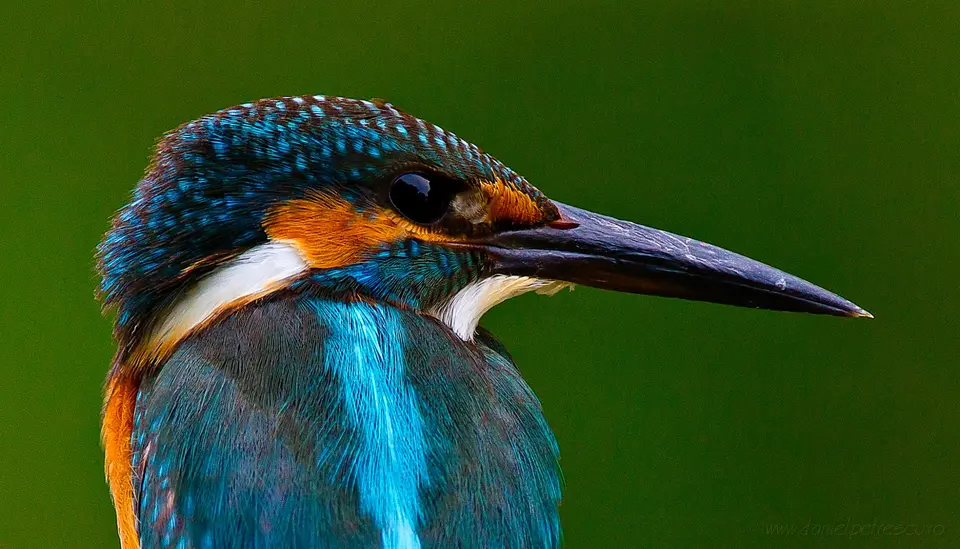
For wildlife photographers, the delta's advantage in proximity is decisive. Ibis Tours motorboat excursions approach pelican colonies to within 20–30 metres with engine cut. Heron colonies are visible at close range from anchored positions. Kingfisher perches are predictable and accessible. The Camargue offers spectacular landscape photography with flamingos in the salt pans, but close-range colony access is more restricted.
Cost Comparison: What Your Money Actually Buys
Delta — 4 Days
€1,090
Per person, full board, floating hotel, all excursions, guide, permits
Camargue — 4 Days
€1,400
Typical cost: hotel, car hire, day tours, meals — no full-access equivalent
Delta — Flights
€80–200
Budget flights Bucharest from most EU cities. Transfer ~€60.
Camargue — Flights
€80–250
Marseille or Nîmes from EU. Car hire ~€200/week required.
The Danube Delta floating hotel cruise is all-inclusive: full board from lunch Day 1 through breakfast on departure, all motorboat excursions, expert naturalist guide, and all ARBDD permits. There are no additional costs in the field. The Camargue equivalent — comparable quality of guiding, accommodation, and access — costs significantly more and involves more logistical complexity.
The Verdict: When to Choose Each
Choose the Danube Delta if:
- Seeing Dalmatian Pelicans is on your bucket list
- You want maximum species diversity in a single trip
- White-tailed Eagle, Ferruginous Duck, and Pygmy Cormorant are target species
- You prefer remote, uncrowded wildlife experiences over accessible nature parks
- Live-aboard birdwatching appeals — waking up on the water, inside the habitat
- You want the best value for a fully guided, all-inclusive wildlife programme
- You're combining with Carpathian bear watching (4 hours from the delta)
Choose the Camargue if:
- Greater Flamingo in large numbers is your primary target
- You're based in Southern France and want a shorter trip
- You prefer driving-based birding rather than boat-based
- Infrastructure and language familiarity are priorities
- You want to combine with other Provence activities
Do both
Many serious birders visit both destinations in different years — they reward different things. Interestingly, the delta's spring season (April–June) and the Camargue's optimal season (April–May, September) overlap well enough that a 10-day trip covering both in one visit is possible, if ambitious.
Frequently Asked Questions
Greater Flamingo occasionally occurs in the delta as a vagrant, but does not breed there. For flamingos, the Camargue or Doñana are the correct destinations. The delta's equivalent spectacle is the Dalmatian Pelican colony.
Both work well for first-time visitors with an expert guide. The delta's floating hotel model means the guide is available for every excursion and every meal — a continuously educational experience. The Camargue involves more self-directed driving between sites.
May is the optimal month for both — breeding activity at maximum, migrants present, long days. The Camargue's flamingo numbers peak in spring and late summer. The delta's pelican colonies are most active May–June.
Experience the Danube Delta
Europe's largest Dalmatian Pelican colony. 4-star floating hotel. UNESCO core zone access. From €1,090 per person, full board.